

Emotional Recovery After a Heart Attack: Coping With Anxiety and Depression

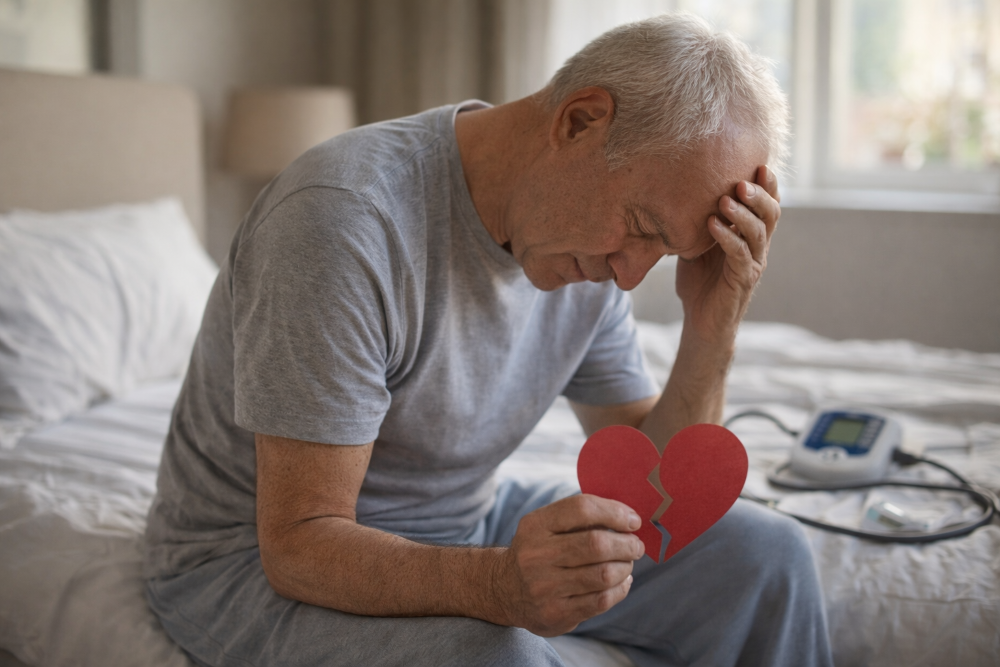
Why Sadness, Anxiety, and Irritability Are Part of Recovery
Emotional changes after a heart attack are common. Learn how to manage anxiety, depression, and mood shifts during recovery and when to seek support.
When people talk about heart attacks, the conversation usually centers on blocked arteries, emergency procedures, and survival rates. What often goes unspoken is what happens after the hospital discharge—especially emotionally.
For many survivors, a heart attack feels like being handed a second chance. But alongside gratitude, another set of emotions may quietly emerge: sadness, constant worry, mood swings, and unexpected irritability.
If this sounds familiar, you are not alone. Emotional changes after a heart attack are more common than most people realize.
Why Do Emotions Change After a Heart Attack?
A heart attack is not just a medical event. It is also a psychological shock.
In a single moment, your sense of physical security shifts. A body that once felt dependable can suddenly feel fragile. Many survivors describe a thought that lingers in the background:
“What if it happens again?”
That quiet fear can influence daily life in subtle ways.
Several factors may contribute to emotional shifts during recovery:
- Fear of recurrence
- Physical fatigue and reduced stamina
- Medication side effects
- Disruption of normal routines
- Changes in independence or identity
For some individuals, emotional distress appears almost immediately. For others, it surfaces weeks after returning home, once the initial crisis has passed.
Common Emotional Reactions During Recovery
1. Sadness or Depression
Feeling overwhelmed after a major health scare is natural. However, persistent sadness, loss of interest in activities, sleep disturbances, or feelings of hopelessness may indicate post–heart attack depression.
Depression after a cardiac event is not rare. In fact, it is considered one of the most common psychological complications following a heart attack.
Left unaddressed, depression can slow recovery. It may reduce motivation to attend cardiac rehabilitation, adhere to medications, or maintain healthy lifestyle adjustments.
2. Anxiety and Ongoing Worry
Many survivors become intensely aware of bodily sensations.
A mild chest sensation. A skipped heartbeat. Slight fatigue.
Even normal physical fluctuations can trigger fear. Some individuals begin avoiding physical activity altogether—even when gradual exercise is recommended as part of recovery.
Anxiety may appear as:
- Restlessness
- Difficulty sleeping
- Racing thoughts
- Irritability
- Panic-like episodes
This heightened alertness makes sense. The body has experienced trauma, and the mind is trying to prevent future danger.
3. Irritability and Personality Changes
Loved ones often notice subtle emotional shifts first.
Someone previously calm may become short-tempered. Someone patient may now feel easily overwhelmed.
Irritability can stem from:
- Frustration over physical limitations
- Persistent fatigue
- Fear expressed as anger
- Feeling dependent on others
These changes are not signs of weakness. They are often manifestations of internal stress and adjustment.
When Emotional Struggles Begin to Interfere
Some emotional responses improve gradually as strength and confidence return. But professional support should be considered when sadness or anxiety begins to:
- Prevent participation in rehabilitation programs
- Disrupt sleep or appetite
- Cause withdrawal from friends or family
- Create ongoing conflict in relationships
Emotional health and cardiac health are deeply connected. Chronic stress and untreated depression can influence overall recovery outcomes.
Seeking Help Is Part of Healing
Many survivors hesitate to discuss emotional struggles. There may be a belief that surviving the event should feel “enough.”
But recovery is not only about physical survival. It is about restoring quality of life.
Support options may include:
- Individual counseling or therapy
- Cardiac rehabilitation programs that integrate mental health support
- Medication for anxiety or depression
- Peer support groups with other survivors
Even an open conversation with a healthcare provider can be an important first step.
The Role of Family and Support Systems
Family members often focus on medications, diet, and follow-up appointments. Emotional recovery deserves equal attention.
If you are supporting someone after a heart attack:
- Encourage honest conversations
- Normalize emotional ups and downs
- Watch for signs of persistent withdrawal
- Acknowledge small improvements
Sometimes the most reassuring words are simply,
“It makes sense that you feel this way.”
Practical Ways to Support Emotional Recovery
While professional guidance is essential when needed, daily habits can also help stabilize emotions:
- Gradual physical activity as medically advised
- Structured routines to rebuild confidence
- Mindfulness or breathing exercises
- Consistent sleep patterns
- Balanced nutrition
- Regular social interaction
Cardiac rehabilitation programs are especially valuable because they address both physical strength and emotional reassurance.
An Often Overlooked Reality
The emotional aftermath of a heart attack is rarely discussed openly, yet it plays a powerful role in long-term recovery.
Experiencing sadness, anxiety, or irritability does not mean you are failing. It means you have experienced something life-altering.
Healing takes time—not only for the heart muscle, but for the mind as well.
If emotional distress lingers or begins to interfere with daily life, reaching out for help can be one of the most important decisions in your recovery journey.
You were not meant to navigate this alone.
Medical Disclaimer:
This article is for informational purposes only and does not constitute medical advice. Emotional symptoms after a heart attack vary from person to person. Always consult your physician or a qualified healthcare professional for personalized medical guidance.