

Savoring the Benefits of Bone Broth: Is It Really Worth a Taste?

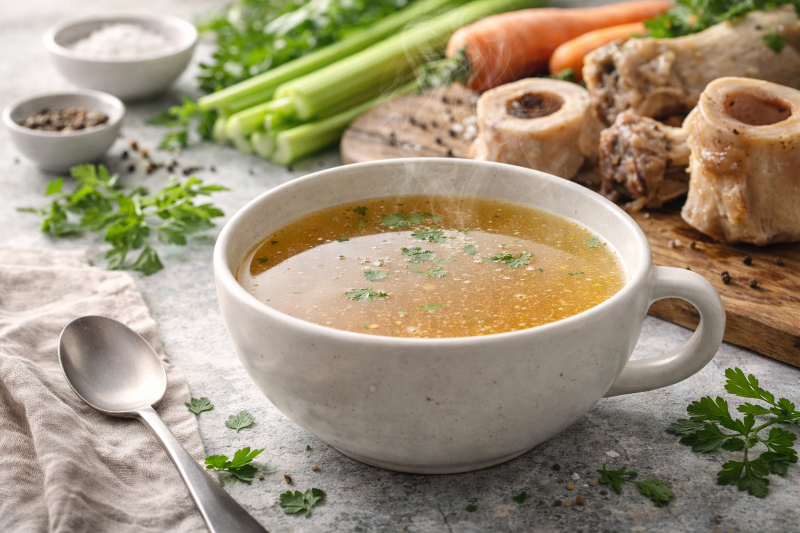
Bone broth offers gentle nutrition, joint support, and comfort. Learn the real benefits of bone broth, who it’s best for, and whether it’s worth adding to your diet.
Bone broth has quietly become a staple in modern wellness culture, appearing everywhere from health blogs to restaurant menus. Praised for its comforting flavor and nutritional value, bone broth is often associated with benefits such as joint support, gut health, and overall nourishment. But does bone broth truly deserve its reputation, or is it simply another food trend?
Let’s take a closer, evidence-based look at what bone broth offers and whether it’s worth adding to your diet.
What Is Bone Broth?
Bone broth is made by slowly simmering animal bones—typically beef, chicken, or fish—along with connective tissue, vegetables, herbs, and a small amount of acid such as vinegar. This long cooking process helps extract collagen, gelatin, amino acids, and trace minerals into a savory, nutrient-rich liquid.
Unlike regular stock, bone broth is cooked for much longer, giving it a thicker texture and deeper flavor.
Potential Health Benefits of Bone Broth
Joint and Connective Tissue Support
Bone broth contains collagen and gelatin, which break down into amino acids like glycine and proline. These compounds play a role in maintaining connective tissue health. While bone broth alone won’t repair damaged joints, it can support overall protein intake and complement a balanced diet, especially for active individuals and older adults.
Gentle Support for Gut Health
Gelatin may help support the integrity of the gut lining, making bone broth a popular choice for people seeking easily digestible foods. It is often well tolerated during recovery from illness or periods of low appetite. Although it is not a treatment for digestive disorders, bone broth can be a soothing dietary addition.
Hydration and Electrolyte Balance
Bone broth provides fluids along with sodium and small amounts of minerals, which can support hydration. This can be helpful during cold weather, mild illness, or post-exercise recovery. However, sodium levels vary, so individuals with high blood pressure should choose low-sodium options.
Comfort and Mindful Eating
Beyond nutrition, bone broth offers comfort. Warm, savory foods encourage mindful eating and can help establish calming routines. Sometimes, the emotional and cultural aspects of food are just as important as its nutrient content.
What Bone Broth Is Not
Despite its benefits, bone broth is not a miracle food. It does not detoxify the body, cure disease, or replace medical treatment. It should also not be relied upon as a complete source of nutrition. Its value lies in support, not in claims of dramatic transformation.
Who May Benefit Most?
Bone broth may be particularly useful for:
- People recovering from illness or surgery
- Older adults seeking easy-to-digest nutrition
- Individuals who enjoy traditional, home-prepared foods
- Anyone looking for a warm, nourishing beverage as part of a balanced diet
How to Choose or Prepare Bone Broth Wisely
When purchasing bone broth, look for short ingredient lists, moderate sodium levels, and no added sugars or artificial flavors. If making it at home, use quality bones, simmer slowly, and store it safely.
Final Thoughts: Is Bone Broth Worth It?
Yes—if you enjoy it and use it as part of a balanced diet. Bone broth is not magic, but it is nourishing, versatile, and comforting. Sometimes, the simplest foods offer meaningful support for both physical well-being and daily balance.
Medical Disclaimer
This content is for informational purposes only and does not constitute medical advice. Always consult a healthcare professional for personalized dietary or health guidance.