

Why Carrots Are Worth Eating Regularly

A Simple Food, a Wise Habit, and a Reminder of Stewardship
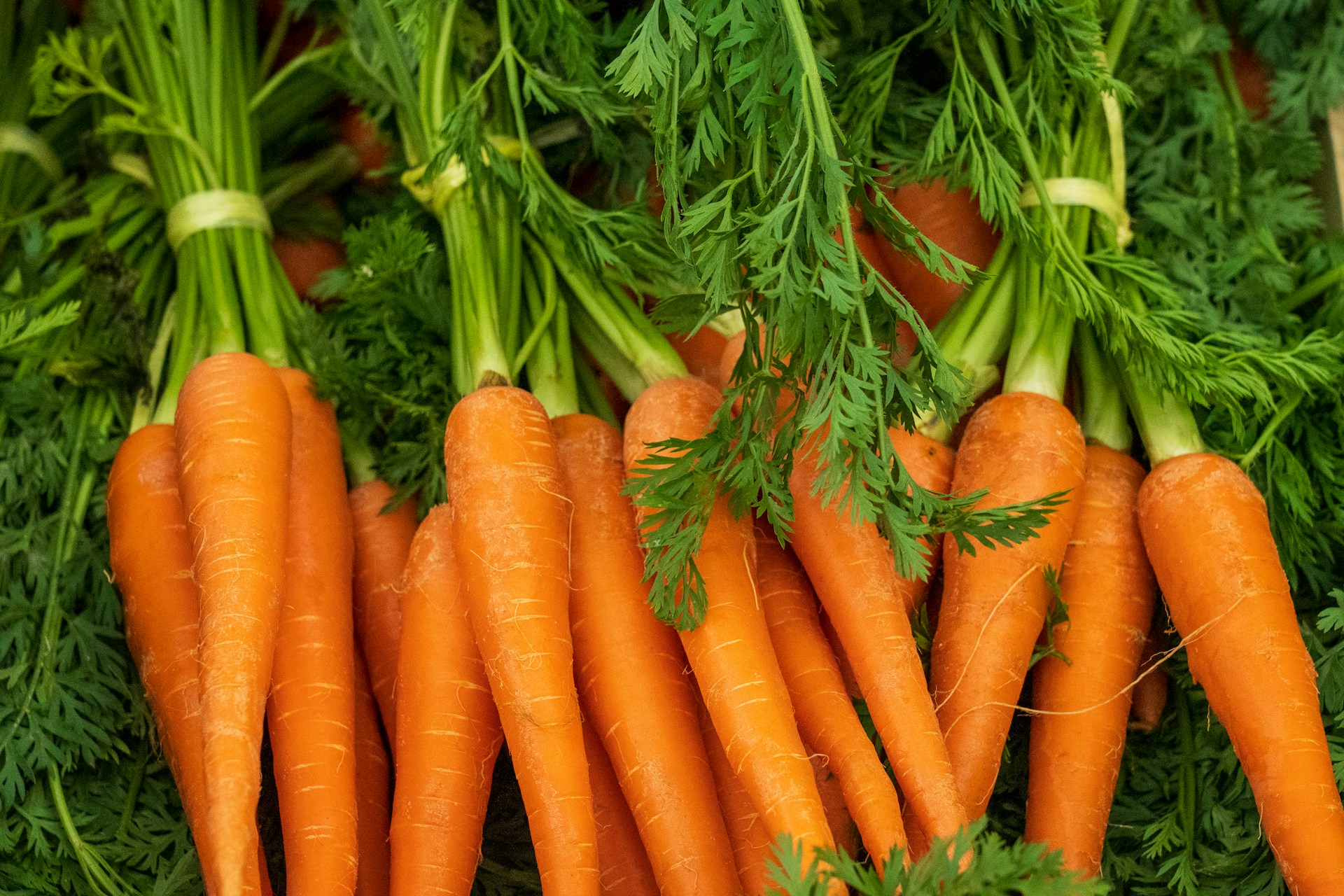
Carrot health benefits are often overlooked because carrots are such a familiar food. Yet this simple vegetable can support eye health, digestion, antioxidant protection, and a balanced lifestyle rooted in wise stewardship of the body God has given us.
사진: Unsplash의 Nick Fewings
There is one vegetable that seems to show up in almost every refrigerator: the carrot.
It is familiar, affordable, and easy to use. Because of that, we may not think of it as anything special. But when we look a little more closely, the carrot turns out to be a quietly generous food. It provides nutrients the body can use every day, without requiring complicated recipes or expensive ingredients.
From a Christian perspective, caring for our health is not simply about trying to live longer or look better. Scripture reminds us that our bodies are gifts entrusted to us by God. We are called to treat them with wisdom, gratitude, and stewardship.
In that light, adding carrots to our meals can be more than a small dietary choice. It can be part of a simple, steady rhythm of caring for the body God has given us.
Carrots and Eye Health
When most people think of carrots, they think of eye health. This connection comes largely from beta-carotene, a plant compound that the body converts into vitamin A.
Vitamin A helps support normal eye function. In a world where many of us spend long hours looking at phones, computers, and tablets, caring for our eyes has become increasingly important. Tired and dry eyes are common, especially for people who work with screens every day.
Eating carrots regularly can be one small way to support eye health. At the same time, it is important to keep the claim realistic. Carrots will not magically improve vision or replace proper eye care. But they do provide nutrients that help the eyes continue doing their work well.
Sometimes good stewardship begins with modest, ordinary choices.
A Natural Source of Antioxidants
Carrots also contain antioxidants, including beta-carotene, lutein, and polyphenols. Antioxidants help protect the body’s cells from the effects of excess free radicals.
No single food can solve every health concern. That is why it is better to think of carrots not as a miracle food, but as one helpful part of a balanced diet.
This is similar to the life of faith. Spiritual growth rarely comes from one dramatic decision alone. It is often formed through daily prayer, regular Scripture reading, small acts of obedience, and quiet faithfulness over time.
The same principle applies to health. Strong habits are built slowly, one repeated choice at a time.
Gentle Support for Digestion
Carrots are also a good source of dietary fiber. Fiber supports healthy digestion and helps maintain regular bowel movements.
For people who find spicy, oily, or heavy foods difficult to handle, carrots can be a gentle option. They can be eaten raw as a simple snack, or cooked until soft and easy to digest.
Our bodies are deeply connected. When digestion is uncomfortable, the whole day can feel heavier. Physical discomfort can affect our mood, energy, and focus. In that sense, caring for digestion is not a small matter. It is part of preparing ourselves to live faithfully in the day God has placed before us.
Carrots and Blood Pressure Support
Carrots contain potassium, a mineral that helps the body balance sodium levels. For people who often eat salty foods or are watching their blood pressure, adding potassium-rich vegetables to the diet can be a wise choice.
Of course, food should always be approached with balance. Anyone managing high blood pressure, kidney disease, or another medical condition should follow the guidance of a doctor or qualified health professional.
Healthy eating is not about fear or extremes. It is about wisdom, moderation, and consistency.
Raw or Cooked: Which Is Better?
Carrots offer different benefits depending on how they are prepared.
Raw carrots are crisp, refreshing, and easy to eat as a snack. They provide fiber and can be sliced into sticks for a quick option during a busy day.
Cooked carrots, on the other hand, may help the body absorb beta-carotene more easily. Since beta-carotene is fat-soluble, preparing carrots with a small amount of healthy oil can be especially helpful.
A simple carrot sauté, roasted carrots, carrot salad, or carrots added to eggs, soup, or rice can all be good choices.
A healthy meal does not have to be complicated. Sometimes it begins with adding one simple vegetable to the plate.
Too Much of a Good Thing Can Still Be Too Much
Even healthy foods can become a problem when eaten in excess.
Eating very large amounts of carrots may cause the skin to take on a yellowish or orange tint. Drinking too much carrot juice may also add more natural sugar than expected. Some people may feel stomach discomfort if they eat too many raw carrots at once.
The key is not to eat as many carrots as possible. The better approach is moderation and consistency.
This principle also reflects a deeper truth about the Christian life. Lasting fruit often comes not from extreme resolutions, but from faithful habits practiced over time.
A Simple Habit Worth Keeping
The carrot may not look like a flashy health food. It does not need special packaging or dramatic claims. Yet it quietly supports the body in several ways.
It can help support normal eye function, provide antioxidants, aid digestion, and contribute to a balanced diet that supports heart and blood pressure health.
Best of all, carrots are easy to find, affordable, and simple to prepare.
Caring for the body God has given us does not always require big changes. Sometimes it begins with small, ordinary decisions made faithfully each day.
Adding carrots to today’s meal may seem simple. But simple habits, practiced consistently, can become part of a wiser and healthier life.