

What Is Molluscum? Molluscum Contagiosum Complete Guide & Treatment Options

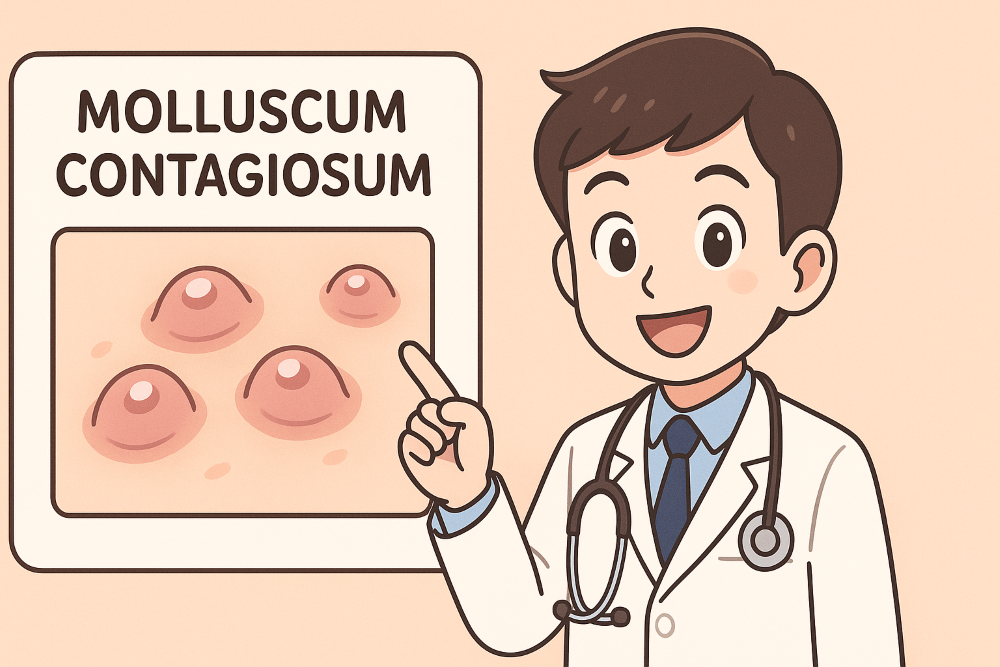
Molluscum Contagiosum explained: symptoms, causes, treatment options, and prevention tips for both children and adults. A clear, helpful guide for healthy skin recovery.
Molluscum Contagiosum is a common viral skin infection that appears as small, shiny, dome-shaped bumps. It is most common in children but can also affect adults. Although generally harmless, it spreads easily through direct contact, so early recognition and proper management are important.
Below is a complete guide—including symptoms, causes, treatment options, and prevention tips.
🦠 What Is Molluscum Contagiosum?
Molluscum is caused by the Molluscum Contagiosum Virus (MCV), a member of the poxvirus family.
It infects the top layer of the skin and produces small, firm bumps that may worsen if scratched.
✔ Key Features
- Small (2–5 mm), flesh-colored or pink bumps
- Dome-shaped with a central dimple
- Usually painless
- Spreads easily through touch
- Can appear alone or in clusters
✔ How It Spreads
- Skin-to-skin contact
- Sharing towels, clothing, bedding
- Swimming pools and wet environments
- Shaving over affected areas (self-spread)
🧒 Who Gets It Most Often?
- Children (most common)
- People with eczema (atopic dermatitis)
- Individuals with weakened immune systems
- Adults through sexual contact (genital area)
- People who shave frequently
👀 Symptoms: How to Recognize Molluscum
Molluscum bumps typically look like:
- Small, firm, shiny papules
- Color: skin-toned, white, or pink
- Smooth surface
- A tiny “belly button” indentation in the center
- Not itchy or painful—but scratching spreads it
- Can appear anywhere except palms and soles
Most common locations: face, neck, trunk, arms, legs, groin.
🧑⚕️ Is Molluscum Dangerous?
In most cases, molluscum is not dangerous.
It often clears on its own in 6–18 months, but it can spread widely if not managed.
Potential issues include:
- Secondary bacterial infection
- Scarring from scratching or picking
- Rapid spreading in people with eczema
Because of these risks, many dermatologists recommend treating it early, especially if lesions spread quickly or appear on the face.
💊 Treatment Options
Treatment varies depending on age, number of bumps, and sensitivity of the skin.
✔ Cryotherapy (Freezing)
- Liquid nitrogen used to freeze and remove bumps
- Works quickly
- Slight discomfort—more suitable for older children and adults
✔ Curettage (Scraping)
- Bumps are gently scraped off
- Very effective, instant removal
- Requires local anesthesia or numbing cream
✔ Topical Treatments
Often used for children because they are less painful:
- Cantharidin (commonly used for pediatric patients)
- Retinoid creams (e.g., tretinoin)
- Immune-modulating creams (imiquimod)
These help irritate the bumps slightly so the body clears them.
✔ Laser Treatment
- Considered when bumps are widespread
- Minimizes scarring
- Useful for patients with weakened immunity
✔ Watchful Waiting (Natural Resolution)
- Safe option when bumps are few and not spreading
- However, requires careful monitoring
- Avoid scratching, which causes rapid spreading
🛡 Home Care & Prevention Tips
✔ To Prevent the Spread
- Do not share towels, clothes, bedding
- Keep affected areas covered
- Trim nails short to avoid scratching
- Avoid swimming pools until bumps are covered
- Avoid shaving over affected skin
- Use separate bath items for children
✔ Skin Care Tips
- Moisturize daily to strengthen the skin barrier
- Manage eczema to prevent rapid spread
- Do not pick, squeeze, or scratch bumps
📌 When to See a Doctor
Visit a dermatologist if:
- Lesions appear on the face
- Bumps spread quickly
- Redness, pus, or swelling appears (infection)
- You have eczema or sensitive skin
- The lesions are in the genital area
- Symptoms last longer than 3–6 months
- You are unsure whether the bumps are molluscum or warts
Early treatment helps prevent scarring and further spreading.
✨ Conclusion
Molluscum Contagiosum is a common and usually harmless skin infection, but it spreads easily—especially in children or those with sensitive skin. With early recognition, proper treatment, and good hygiene habits, molluscum can be cleared safely without scarring.
“Don’t pick it. Don’t scratch it. Protect the skin—and it heals faster.”