

Why Walmart’s Rising Profits Aren’t Always Welcomed in the U.S. Economy

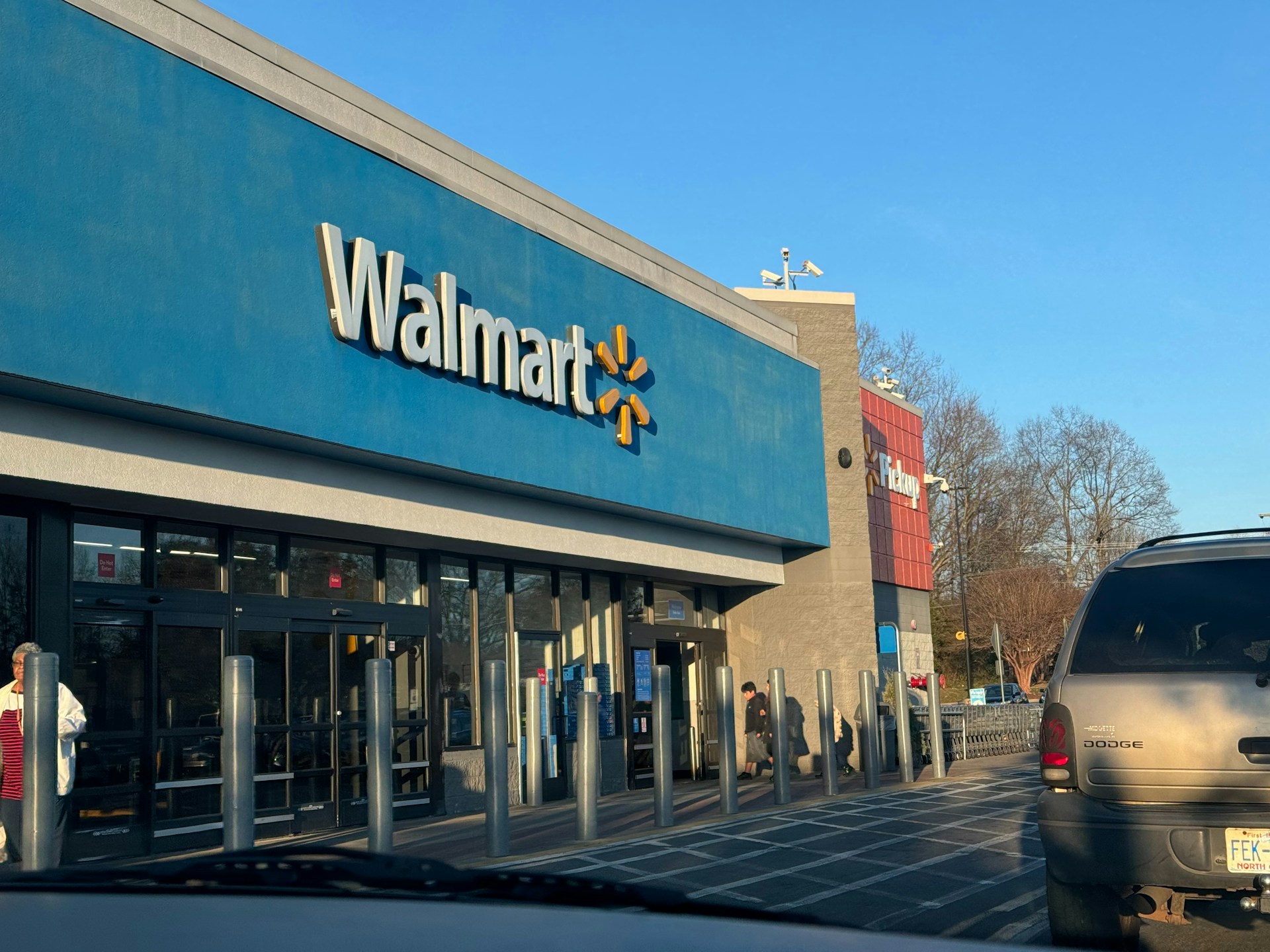
How America’s current economic climate shapes public perception of big-box retail profits
Meta Description (SEO)
Walmart continues to report strong profits in a slowing U.S. economy. Learn why rising earnings from major retailers are not always celebrated, and how issues like local business decline, labor concerns, inequality, and consumer trends shape public perception.
Introduction: A Strong Walmart in a Weak Economy?
As the U.S. economy slows in 2025—marked by cooling job growth, persistent inflation pressures, tighter consumer budgets, and weakening sentiment—one company continues to post solid profits: Walmart.
On paper, this is good news.
But in reality, Walmart’s rising earnings often spark mixed reactions across the United States.
Why?
Because in a fragile economy, the success of a massive retailer can highlight deeper structural issues affecting communities, workers, and small businesses. Walmart’s profitability becomes a symbol not only of its business strength but also of ongoing economic tension.
Below are the key reasons why Walmart’s strong profits aren’t always celebrated in today’s U.S. economic environment.
1. Walmart’s Profit Growth Reflects the Struggles of Local Small Businesses
During economic slowdowns, consumers become highly price-sensitive. Many households shift away from local stores and turn to Walmart’s low prices and large selection.
While this benefits Walmart, it often accelerates the decline of:
- small grocery stores
- local pharmacies
- independent clothing shops
- hardware stores
- community-based retailers
As consumer spending consolidates into a single giant, local economies lose diversity and resilience.
Thus, Walmart’s rising profits frequently signal the weakening of small business communities.
2. Labor Concerns Become More Visible During Economic Uncertainty
When job growth cools and workers feel more vulnerable, public attention naturally shifts to employer practices.
Walmart—one of the largest employers in the U.S.—has long faced debates about:
- low wages
- unpredictable schedules
- reliance on part-time labor
- limited benefits
- anti-union policies
So when Walmart posts higher profits, some Americans ask:
“If the company is doing so well, why aren’t workers seeing better wages or improved working conditions?”
In a softening labor market, these concerns grow louder.
3. Rising Big-Box Profits Amplify Concerns About Inequality
Economists increasingly describe the U.S. economy as “K-shaped”, meaning that higher-income households and large corporations continue to grow while middle- and lower-income groups experience financial strain.
Against this backdrop, Walmart’s profitability can be interpreted as evidence that:
- corporate profits are rising
- vulnerable households are stretching their budgets
- economic gains are unevenly distributed
In a time of widening inequality, Walmart’s success highlights the imbalance rather than creating a sense of shared prosperity.
4. Consumer Financial Stress Drives Walmart’s Success—and Raises Questions
Walmart tends to perform strongest when:
- household budgets tighten
- consumers shift to cheaper essentials
- discretionary spending slows
- economic uncertainty rises
In other words, Walmart’s growth often coincides with consumers struggling.
This dynamic leads to an uncomfortable interpretation:
“If Walmart is doing well, it may mean ordinary Americans are doing poorly.”
Public sentiment becomes complicated when a company’s gains appear tied to economic hardship among families.
5. Heavy Reliance on Big-Box Retail Weakens Economic Resilience
The more consumers depend on Walmart for essentials, the more fragile local economies become.
High Walmart profits can signal:
- concentrated economic power
- reduced local competition
- vulnerable supply chains
- declining community-based commerce
In the long run, overreliance on a single retailer creates economic fragility—something many communities have already experienced when Walmart locations shift or close.
Conclusion: Walmart’s Profits Tell a Larger Story About America
Walmart’s financial success is not inherently negative.
But in the context of a slowing U.S. economy—marked by inflation, cautious spending, weaker job growth, and growing inequality—its rising profits highlight deeper systemic issues:
- local businesses under pressure
- workers facing stagnant wages
- families struggling to keep up with prices
- communities becoming more dependent on large retailers
In today’s environment, Walmart’s profitability is less a celebration of business success and more a reflection of the economic challenges ordinary Americans continue to face.