

Iron-Rich Korean Foods: Delicious Ways to Boost Your Iron Intake

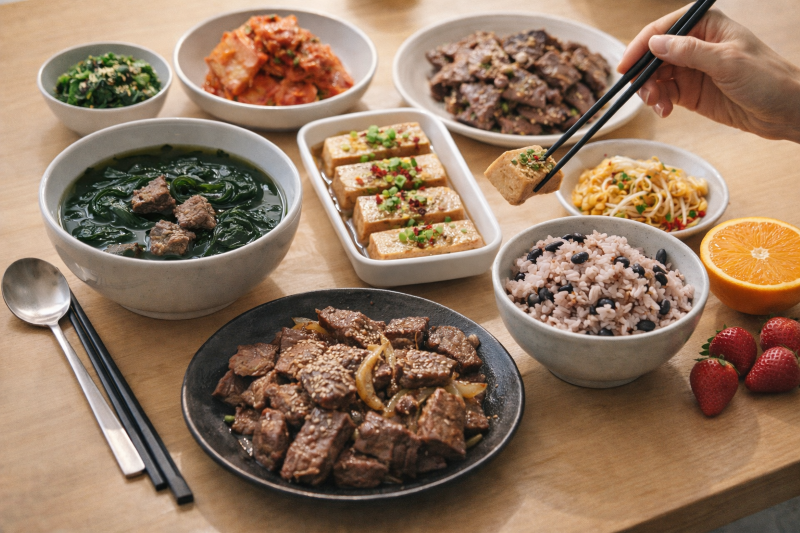
Discover iron-rich Korean foods like seaweed soup, spinach, tofu, and beans—delicious, everyday meals that naturally support healthy iron levels.
When people think about iron-rich foods, steak or supplements often come to mind first. But Korean cuisine offers many flavorful, everyday dishes that naturally support iron intake—without feeling like you’re “trying to be healthy.”
If you’re dealing with fatigue, low energy, or concerns about iron deficiency, Korean food culture may already have answers on your table.
Why Iron Matters More Than You Think
Iron plays a crucial role in carrying oxygen through the blood. When iron levels drop, symptoms like tiredness, dizziness, shortness of breath, or difficulty concentrating can quietly creep in.
Women, older adults, vegetarians, and people who eat lightly are especially prone to low iron levels. That’s why incorporating iron-rich foods into daily meals—not just occasionally—is so important.
Iron-Rich Korean Foods You Can Enjoy Every Day
1. Seaweed Soup with Beef (Miyeok-guk)
Miyeok-guk is widely known as a birthday or postpartum soup in Korea, but it’s also a nutritional powerhouse.
- Seaweed contains non-heme iron and iodine
- Beef adds heme iron, which is absorbed more efficiently
- Traditionally believed to support blood health and recovery
This gentle, savory soup is easy on the stomach and perfect for regular meals.
2. Seasoned Spinach (Sigeumchi Namul)
Spinach is one of the most accessible plant-based iron sources in Korean cuisine.
- Rich in iron, folate, and magnesium
- Lightly blanched and seasoned with sesame oil for better absorption
- Works best when paired with vitamin C–rich foods
It’s simple, comforting, and surprisingly satisfying.
3. Soybean Sprout Side Dish (Kongnamul Muchim)
Soybean sprouts are inexpensive, versatile, and nutrient-dense.
- Contain iron, plant protein, and fiber
- Often served lightly seasoned, making them easy to digest
- Ideal for people who don’t eat much red meat
A classic side dish that quietly supports overall nutrition.
4. Tofu Braised or Pan-Seared (Dubu Jorim)
Tofu may not look impressive, but it contributes meaningful iron—especially for those reducing meat intake.
- Provides plant-based iron and calcium
- Absorbs flavors well, making it easy to enjoy regularly
- Gentle on digestion
It’s a practical choice for balanced, iron-conscious meals.
5. Black Beans and Mixed Grain Rice
Black beans and whole grains offer slow-digesting carbohydrates along with iron.
- Support steady energy levels
- Pair well with vegetable and protein-based side dishes
- Fit naturally into Korean-style home meals
Iron intake doesn’t have to come from one “superfood.” It works best when spread across meals.
A Simple Tip: Absorption Matters
Iron absorption improves when paired with:
- Vitamin C (kimchi, radish, bell peppers, citrus)
- Animal protein (even small amounts of beef or fish)
At the same time, drinking coffee or tea immediately after meals can reduce iron absorption—something many people overlook.
Final Thoughts
Korean food culture has long emphasized balance, variety, and moderation. Iron-rich foods are already woven into everyday meals, often without being labeled as “health foods.”
Instead of relying solely on supplements, consider building iron awareness into your regular diet. A warm bowl of seaweed soup, a plate of spinach namul, or a simple tofu dish may be doing more for your health than you realize.
Sometimes, the most effective nutrition is already familiar.