

What Is Hantavirus? Symptoms, Transmission, and the Cruise Ship Outbreak Explained

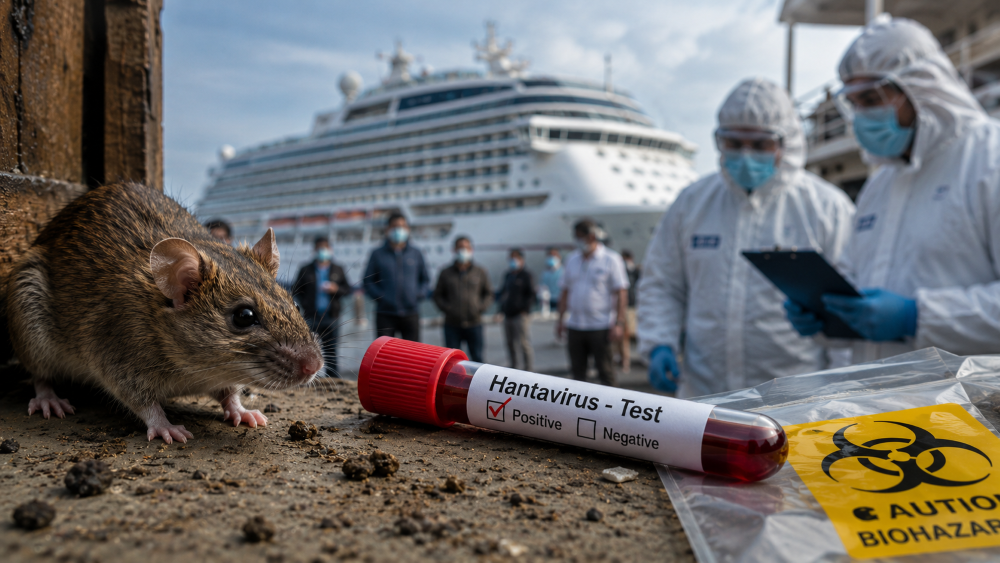
Learn what hantavirus is, how it spreads, early symptoms to watch for, and why the recent cruise ship outbreak has raised global health concerns.
The recent hantavirus outbreak linked to a cruise ship near West Africa has drawn global attention to a disease that many people have never heard of before. Reports suggest that several passengers became seriously ill, and multiple deaths may be connected to the outbreak. Health officials are continuing to investigate confirmed and suspected cases on board.
Although hantavirus infections are rare, this incident has reminded people how serious rodent-borne diseases can become under certain conditions.
What Is Hantavirus?
Hantavirus is a group of viruses mainly carried by rodents such as mice and rats. The virus was first identified near the Hantaan River region in Korea, which is where the name “hantavirus” originated.
Humans can become infected after coming into contact with infected rodents or contaminated materials such as saliva, urine, or droppings. In some cases, dried rodent waste can break into tiny airborne particles that may be inhaled.
While the disease is uncommon, severe hantavirus infections can affect the lungs, kidneys, or heart and may become life-threatening.
Early Hantavirus Symptoms Often Feel Like the Flu
One reason the recent hantavirus outbreak has worried health experts is that early symptoms can easily be mistaken for common illnesses.
Initial symptoms often include:
- Fever
- Fatigue
- Muscle aches
- Headaches
- Chills
- Dizziness
Some people also experience stomach-related symptoms such as nausea, vomiting, diarrhea, or abdominal pain.
As the illness progresses, breathing problems may develop. Several days after symptoms begin, patients may start coughing or experience shortness of breath as fluid builds up in the lungs.
The incubation period for hantavirus is usually two to three weeks, although symptoms may appear later in some cases.
Can Hantavirus Spread Between People?
In most situations, hantavirus does not spread easily from person to person. Most infections occur after direct or indirect exposure to infected rodents.
However, investigators examining the recent hantavirus outbreak on the cruise ship have discussed the possibility of a rare strain called the Andes virus. This strain has occasionally shown limited human-to-human transmission in South America.
Even so, public health experts continue to emphasize that hantavirus remains a low public health risk overall because cases are rare and person-to-person spread is extremely uncommon.
Is There a Treatment for Hantavirus?
At this time, there is no specific cure for hantavirus infection.
Medical treatment mainly focuses on supportive care, especially during severe respiratory illness. Oxygen therapy and close medical monitoring may improve survival if patients receive treatment early.
Some antiviral medications have shown limited benefit against certain hantavirus strains affecting the kidneys, but evidence remains unclear for severe lung involvement.
Because of this, early medical attention is very important.
Anyone who develops fever, deep muscle pain, and breathing difficulties after possible rodent exposure should seek medical care immediately.
How to Reduce the Risk of Hantavirus Infection
Preventing rodent exposure remains the most effective way to avoid hantavirus infection.
Health experts recommend:
- Sealing holes and gaps around homes or garages
- Avoiding direct contact with rodent droppings
- Using traps when necessary
- Storing food securely
- Cleaning contaminated areas carefully instead of sweeping dry dust into the air
Good ventilation, gloves, and masks may also help reduce risk when cleaning enclosed areas where rodents may have been present.
Why the 1993 U.S. Hantavirus Outbreak Became So Important
Hantavirus first gained major attention in the United States during a deadly outbreak in the Four Corners region in 1993.
Several young and previously healthy individuals suddenly developed severe respiratory failure. Researchers eventually connected the illness to deer mice carrying a previously unknown hantavirus strain.
Later investigations suggested that unusual weather conditions had increased rodent populations in the area, leading to greater contact between rodents and humans.
That outbreak became one of the most important discoveries in understanding how hantavirus spreads in North America.
Final Thoughts
The recent hantavirus outbreak connected to the cruise ship has renewed public awareness about this rare infection.
Although hantavirus infections remain uncommon, they can become extremely serious when they occur. Understanding the symptoms, transmission routes, and prevention methods can help reduce unnecessary fear while encouraging practical awareness.
There is no reason for panic.
But staying informed about diseases like hantavirus is one of the simplest and most effective ways to protect public health.